


Restoring soil fertility for sugar beet (Rivne region)
Strategy for increasing sugar content and yield. Use of GREENODIN organo-mineral mixtures for the restoration of depleted lands.


The summer of 2025 was the most difficult in the last decade for farmers in southern Ukraine. In Mykolaiv, Kherson, Zaporizhia, and part of Odessa regions, there was no rain for 40 to 50 days in a row, and average daily temperatures in June and July remained above +33 °C.
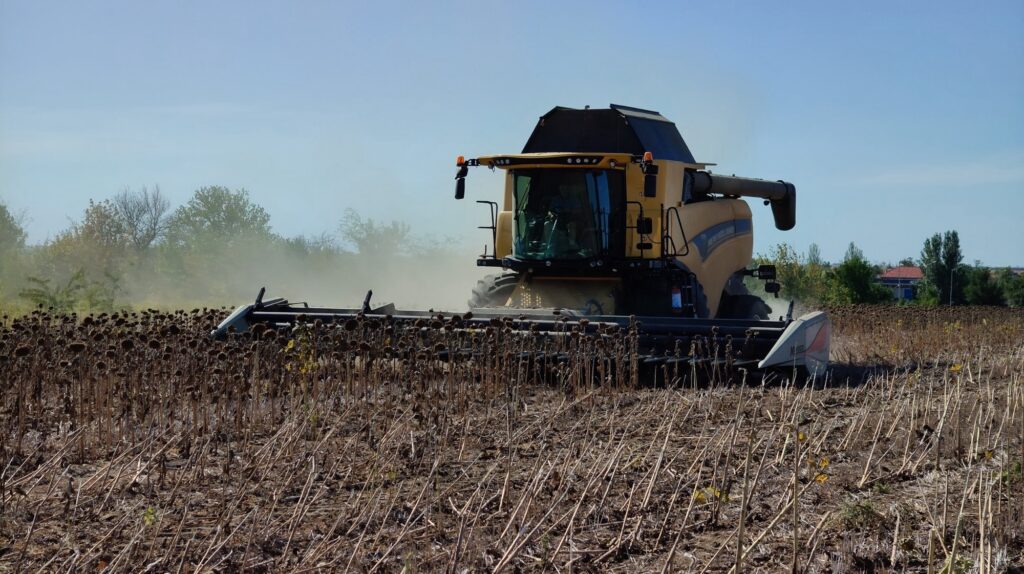
And this is not just a seasonal problem, but a consequence of systemic climate change and the destruction of irrigation infrastructure after the explosion of the Kakhovka HPP in 2023. Without irrigation, more than 584 thousand hectares of arable land in the Kherson, Zaporizhia, and Mykolaiv regions remained practically unsuitable for growing traditional crops.
The drought in the south is not only about lost crops and billions in losses for farmers. It is:
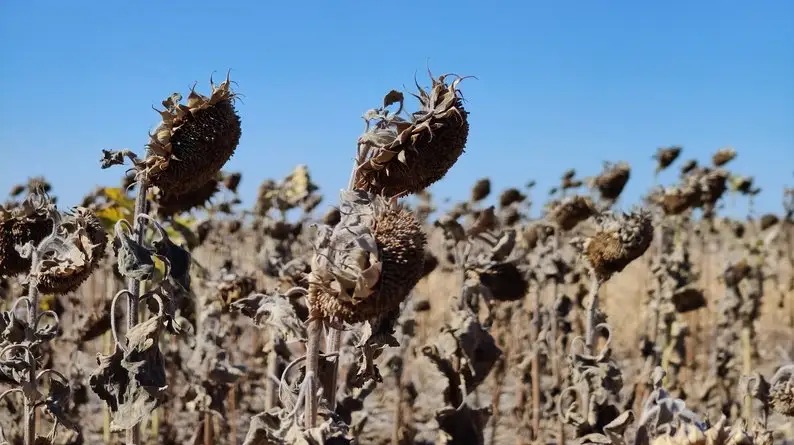
The way out of this situation is possible through the introduction of the latest organo-mineral complexes that combine a mineral base with biologically active substances. In particular, complex granular fertilizers GREENODIN™ (GRAY, BROWN, BLACK) contain natural minerals and 27 types of agronomically useful microorganisms that increase plant resistance to drought, improve soil structure and allow reducing the rate of application with each season. Which, combined with the use of green manure, gives a complex effect on reducing solar activity on soils, retaining moisture in them and gradually increasing organic matter.
Despite the dramatic situation, organic farming itself can provide some of the answers.
Today’s drought is not an “anomaly”, but new climatic realities. Solving the problem is not limited to compensation for farmers. It is about:
Drought-2025 showed: the southern black soil can no longer be perceived as an “inexhaustible resource”. More than half a million hectares have been lost, billions in losses have been recorded, and new crops are under threat. Without organic soil and moisture management methods, farmers risk losing more and more areas every year. But the transition to zero-waste, biodiversity, and smart irrigation can turn the crisis into a starting point for a new model of agriculture.
One of the proven solutions for the South of Ukraine is the use of organic-mineral complex fertilizers GREENODIN™, which are being improved by the Institute of Nanotechnologies and Organic Products “AVELIFE”. Their action is aimed at restoring the soil biocenosis, increasing its water-holding capacity and reducing acidity. More information about the products and application technology is available on the website https://greenodin.site/.
Strategy for increasing sugar content and yield. Use of GREENODIN organo-mineral mixtures for the restoration of depleted lands.

How to grow sugar beet at pH 8.0. Fertilization technology, combating phosphorus and moisture deficiency in the Rivne region.

Learn why fertilizers don’t work and how Greenodin increases the bioavailability of nutrients. Practical tips and case studies for farmers.