


Sunflower losses are a symptom of chemistry, not “just white rot”
Greening agro is not a fad, but a reaction to the fact that excess nutrients are becoming a source of soil and water pollution, and biodiversity loss.


Organic farming is becoming an increasingly attractive sector for investment due to its environmental benefits and growing demand for organic products. In the context of the global fight against climate change and the growing environmental awareness of consumers, organic production is becoming not only a way to preserve nature, but also a promising area for business. In this article, we will look at why investors should pay attention to organic farming, focusing on economic and environmental aspects.
Economic benefits for investors

Environmental benefits
Challenges and opportunities
Despite the obvious benefits, organic farming requires significant initial investments in certification, technology change, and staff training. However, the long-term economic and environmental benefits far outweigh these costs.
Conclusion.
Organic farming combines economic efficiency with environmental responsibility, making it an ideal investment in today’s world. Not only does it generate profits, but it also allows businesses to take an active role in solving global environmental problems. For investors looking for a long-term perspective and seeking to make a difference in sustainable development, organic farming offers unique opportunities.
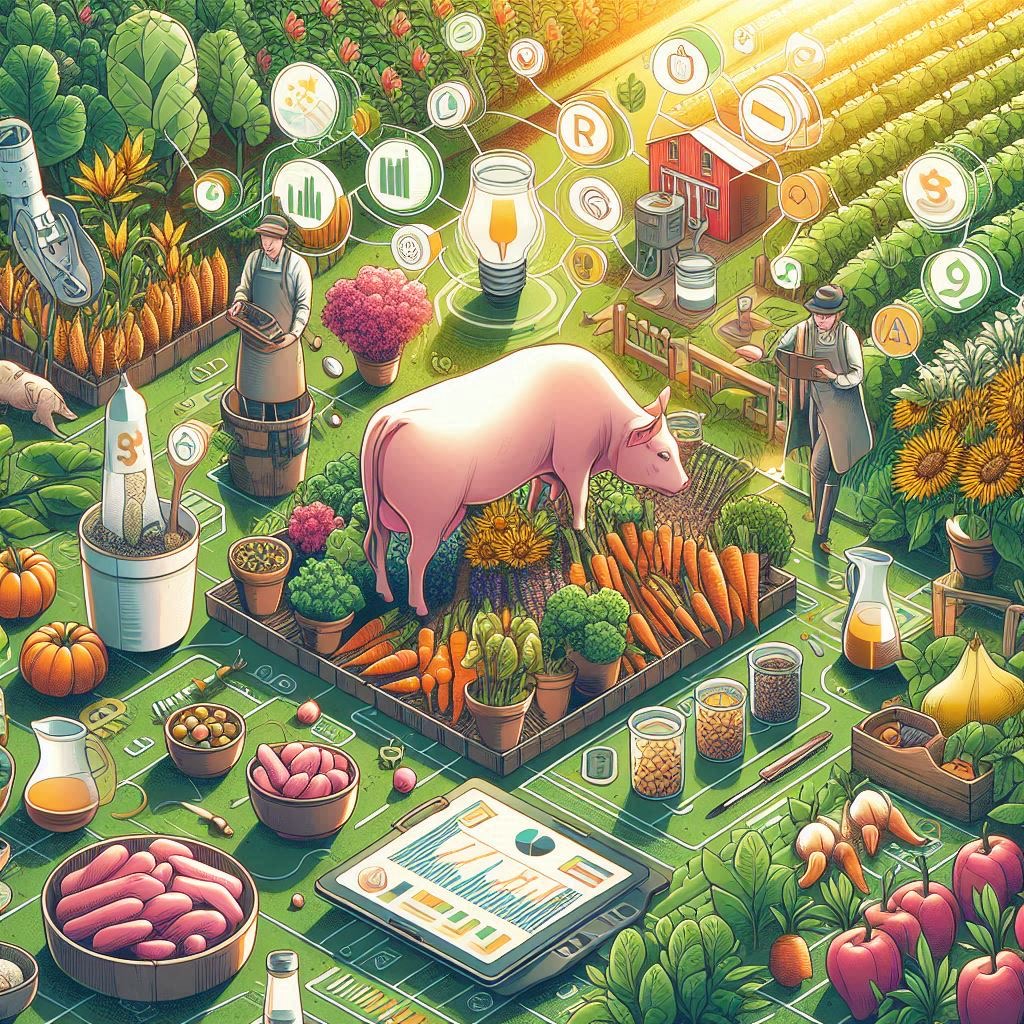
Greening agro is not a fad, but a reaction to the fact that excess nutrients are becoming a source of soil and water pollution, and biodiversity loss.

Digestate with biochar and glauconite is an innovative organo-mineral composite for reducing nutrient losses, prolonged plant nutrition, and increasing soil fertility.

Soil degradation and water pollution are increasingly merging into a combined environmental crisis, especially in arid and post-industrial regions.


