


Thermal depolymerization (TDP)
How thermal depolymerization (TDP) works and how it differs from pyrolysis. Processing of organic waste, sludge and plastic into oil and gas. ERVO modular plants for autonomous communities and agroclusters of Ukraine.


In a world that is used to measuring the “greenness” of a car by the number of kilowatts and the size of the battery, Toyota has made a move that could change the game. The company has introduced an engine that runs on… water. More precisely, on hydrogen, obtained from it through electrolysis.
And here’s the main thing:
All you need is water and a source of electricity to split it into hydrogen and oxygen.
And the exhaust? Pure water vapor.
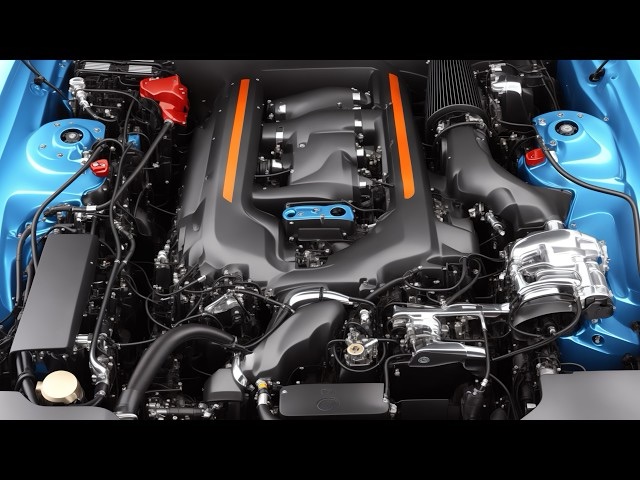
Toyota didn’t just make another electric car. It brought the concept of the internal combustion engine back to life, but in a new, environmentally friendly format.
The new unit combines:
In fact, Toyota says:
“The future of transportation is not in batteries, but in the water molecule.”
Experts are already calling this step the beginning of the hydrogen age.
While electric vehicles depend on scarce resources and an extensive charging infrastructure, hydrogen engines can create fuel on their own — simply from water and solar energy.
Imagine: a car powered by rain, sun and air.
No mines, no logistics chains, no ecological debt to the planet.
Toyota isn’t just creating a new engine—it’s rewriting the environmental ethics of transportation.
Just as electricity once replaced steam engines, hydrogen can now replace batteries.
This is not just a technological innovation, but a civilizational turn.
A world searching for a balance between convenience and sustainability may finally find it—in a simple drop of water.
💧 Toyota has shown that the future lies not in the silence of an electric motor, but in the hiss of hydrogen.
And perhaps this hissing will become the new sound of ecological progress.
How thermal depolymerization (TDP) works and how it differs from pyrolysis. Processing of organic waste, sludge and plastic into oil and gas. ERVO modular plants for autonomous communities and agroclusters of Ukraine.

How to get quality seedlings: the role of active silicon, humic acids and the microbiome. Scientific substantiation of the effect of GRAY biostimulants on the stockiness, stress resistance and survival of tomatoes, peppers and eggplants.

Glauconite is a natural potassium-containing iron silicate (layered silicate/phyllosilicate) that may contain not only K and Fe, but also Al and other impurities in the crystal lattice.


