


Magnesium-organomineral materials: potential for roads
What are magnesian-organomineral materials, what is their potential for road construction, and why it is not worth promising “minus CO₂” without LCA.


In modern regenerative medicine, a new scientific axis is increasingly taking shape: gene therapy – telomerase – telomeres – signal peptides.
While until recently telomeres were perceived mainly as a marker of cellular aging, today they are increasingly considered as an active therapeutic target. This is natural, because telomere attrition is one of the basic signs of aging, and disturbances in telomere dynamics are associated not only with age-related tissue depletion, but also with bone marrow failure, fibrosis, immune dysfunction, and oncological processes.
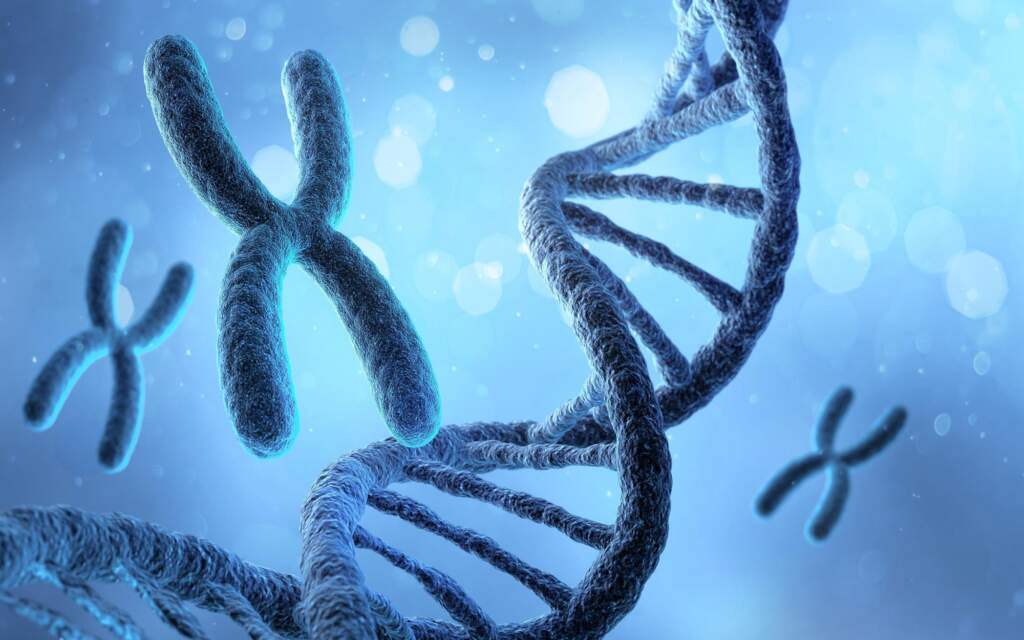
Telomeres are protective structures at the ends of chromosomes that protect the genome from degradation, chromosome fusion, and pathological loss of genetic information. In most human somatic cells, telomerase activity is low or absent, so with each cycle of division, telomeres gradually shorten. When they reach a critical limit, the cell enters a state of senescence or apoptosis. That is why the preservation or controlled restoration of the telomere reserve is considered one of the key directions of future medicine.
In this logic, telomerase, primarily its catalytic subunit TERT, plays a special role. Current studies show that telomerase-based approaches can work not only as a mechanism for direct telomere lengthening, but also as a tool for increasing cellular resilience, improving DNA repair, and reducing signs of cellular stress.
Наприклад, у 2025–2026 роках були опубліковані роботи, де TERT mRNA знижувала радіаційно-індуковане ушкодження шкіри та покращувала відновлення клітин, а hTERT modRNA в моделях легеневого фіброзу відновлювала активність теломерази, сприяла подовженню теломер і зменшувала маркери сенесценції та фіброзу. Це означає, що генотерапія дедалі ближче підходить до практичного керування теломерною біологією.
In parallel, another extremely interesting direction is being formed – gene therapy of telomere disorders. There is already a phase I/II clinical trial for patients with telomere biology disorders and bone marrow failure, where the gene therapy approach EXG-34217 is being tested. The very fact of the existence of such a protocol shows that the telomere system has ceased to be just a theoretical object of gerontology and is moving into the sphere of targeted therapy.
In parallel, another extremely interesting direction is being formed – gene therapy of telomere disorders. There is already a phase I/II clinical trial for patients with telomere biology disorders and bone marrow failure, where the gene therapy approach EXG-34217 is being tested. The very fact of the existence of such a protocol shows that the telomere system has ceased to be just a theoretical object of gerontology and is moving into the sphere of targeted therapy.
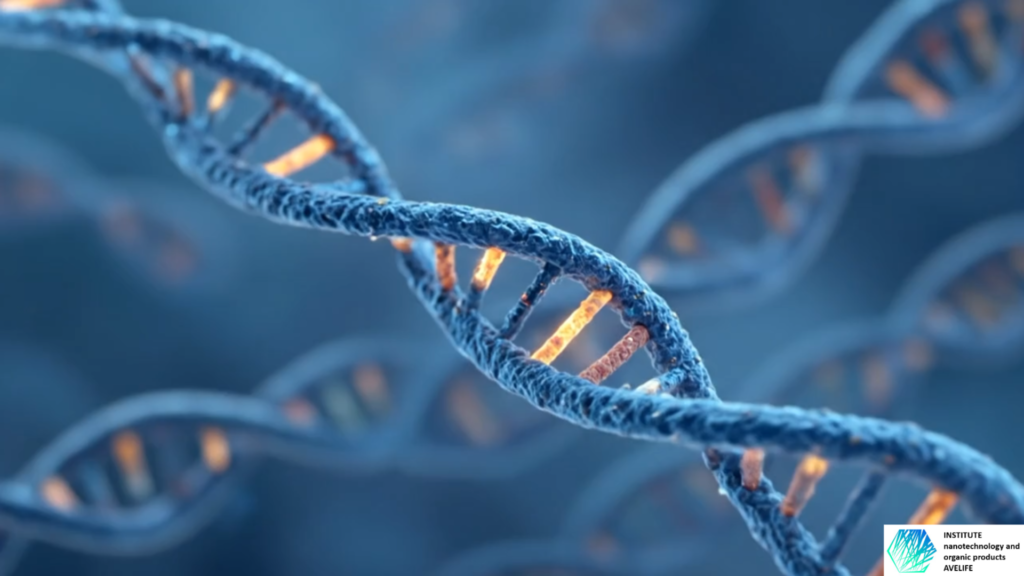
It is these data that provide grounds for formulating a cautious but strong scientific thesis:
Due to certain tetrapeptides, in particular AEDG/Epitalon, it is possible to restore telomere dynamics and partially renew the telomere reserve of the cell.
Today, this should not yet be presented as a definitively proven clinical technology for humans, but it is already quite correct to consider it as a real biomedical mechanism, confirmed at the level of cellular and partially translational models. In other words, tetrapeptides can act not just as “biologically active additives”, but as signaling molecules capable of triggering telomere stabilization programs.
From a scientific point of view, this is particularly important because tetrapeptides potentially occupy an intermediate position between classical pharmacology and full-fledged gene therapy. If gene therapy directly delivers genetic material or editing systems, then tetrapeptides can act as subtle molecular triggers that modulate TERT expression, affect cellular stress, antioxidant defense, senescence regulation and, possibly, the epigenetic environment in which the telomere apparatus functions. It is this “soft regulation” that may become valuable where overly aggressive intervention is undesirable.
At the same time, the future of this topic is impossible without systems for delivering genetic material. Current reviews of gene editing delivery emphasize that the success of therapy is increasingly determined not only by the gene itself or the target, but also by the means by which mRNA, DNA or editing complexes are delivered: viral vectors, lipid nanoparticles, polymer carriers or hybrid platforms. For telomerase strategies, this is especially important, since it is necessary to ensure targeting, dose control, time-limited expression and safety. There are already examples of mRNA-LNP platforms for TERT, which in experimental models gave partial restoration of telomere length and reduction of neuroinflammation.
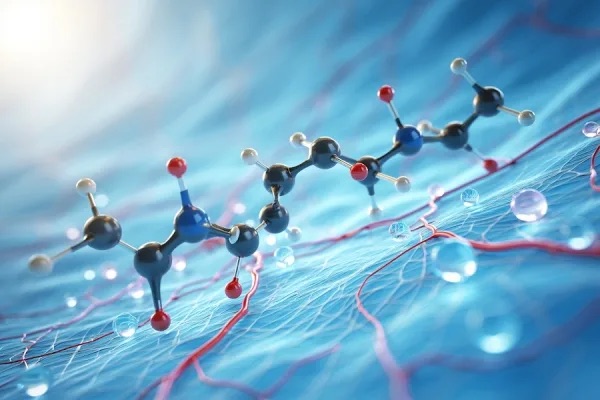
Thus, the most promising model of the future does not look like a competition between gene therapy and tetrapeptides, but rather a combination of them. Gene therapy can provide precise delivery of TERT, modRNA, or editing tools; tetrapeptides can create a bioregulatory background favorable for telomere stabilization, anti-stress protection, and cellular repair. In such a paradigm, tetrapeptides can be considered as peptide modulators of the telomere system, and gene therapy as a highly precise tool for programmed intervention. Together, they open the way to a new class of regenerative solutions, where tissue repair begins with the restoration of the molecular stability of the cell.
At the same time, honest science requires that we clearly state the limits. Telomerase is not only a regeneration enzyme, but also a known factor in tumor biology: its reactivation is observed in most malignant tumors, and both excessive shortening and pathological lengthening of telomeres can be associated with carcinogenesis.
Therefore, any strategy for “telomere renewal” should be evaluated not in the logic of rapid rejuvenation, but in the logic of controlled, temporary, tissue-directed and safe bioregulation. This is where the need arises for new technological platforms where peptide signals, nanonesians and genetic constructs will work as a single system.
For the Institute of Nanotechnology and Organic Products “Avelife” this topic can become an extremely promising platform at the junction of biomedicine, materials science and regenerative technologies. If in the 20th century medicine mainly struggled with the consequences of the disease, then the medicine of the 21st century is gradually learning to control the mechanisms of cellular exhaustion. And in this new picture of the world, telomeres are no longer just an indicator of aging, but a controlled biological system, and tetrapeptides are not just short peptides, but potential regulators of the restoration of the telomere reserve. That is why the combination of gene therapy, telomerase, telomeres and tetrapeptides can become one of the most interesting directions of future regenerative medicine.
What are magnesian-organomineral materials, what is their potential for road construction, and why it is not worth promising “minus CO₂” without LCA.

The role of telomeres, telomerase, and gene therapy in controlling cellular aging. A simple explanation of complex biological processes.

How the gene therapy market works, why it is growing, what is holding it back, and why it is one of the most complex segments of modern biopharma


