

Sunflower losses are a symptom of chemistry, not “just white rot”
Greening agro is not a fad, but a reaction to the fact that excess nutrients are becoming a source of soil and water pollution, and biodiversity loss.


Organic products have become a kind of “trust currency.” People want clean food, clean water, a safe environment—a logical reaction to years of intensive chemicalization. In this chaos of slogans, green labels, and beautiful marketing phrases, it’s easy to get lost.
The AVELIFE Institute views organics not as a trend, but as an engineering of nature regeneration, where each solution has a measurable effect. And here a special role is played by our new generation organo-mineral fertilizers – GREENODIN, which lie at the junction of microbiology, ecology and nanotechnology.
To understand what organics are in 2025, we suggest dispelling the most popular myths — and showing how reality works.
Reality: Organicity is not about abandoning fertilizers or technologies. It is about moving to a system where synthetic agrochemicals are not used, but rather natural processes of the biocenosis are launched and work – microbial, humus-forming, biosorption.
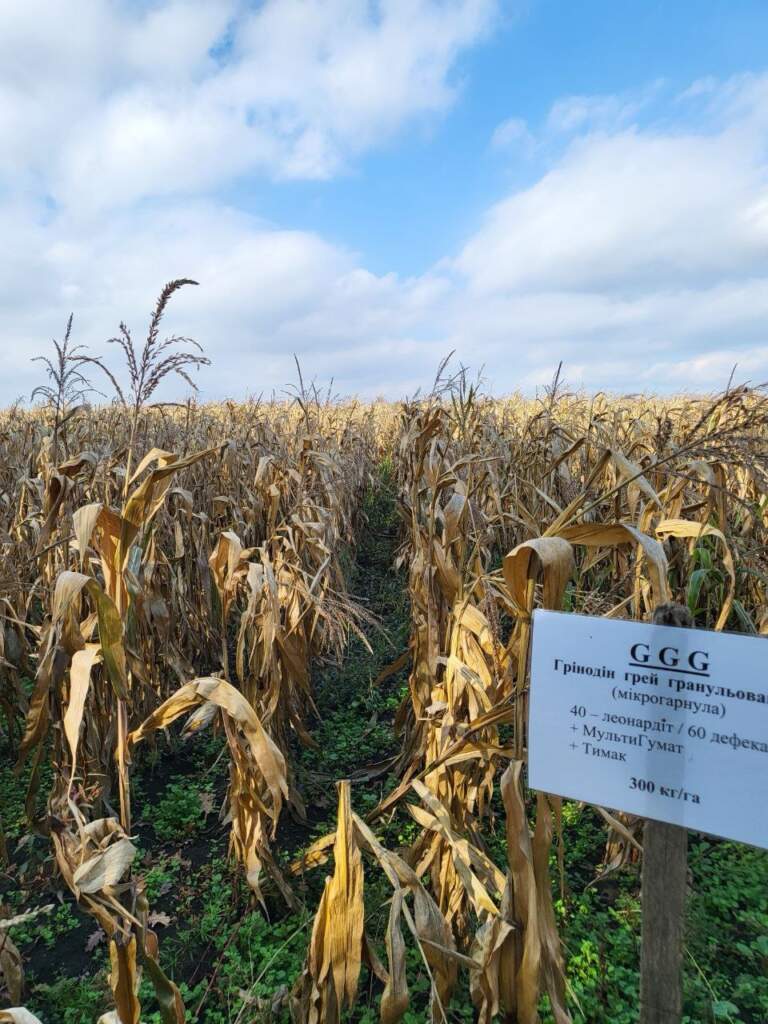
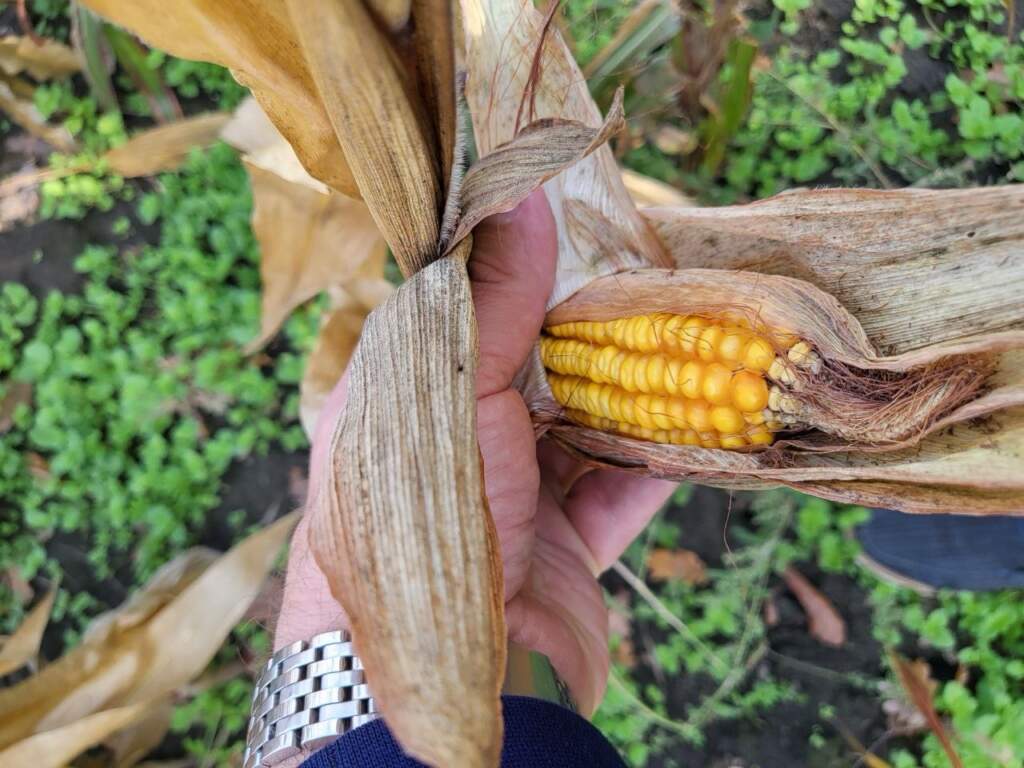
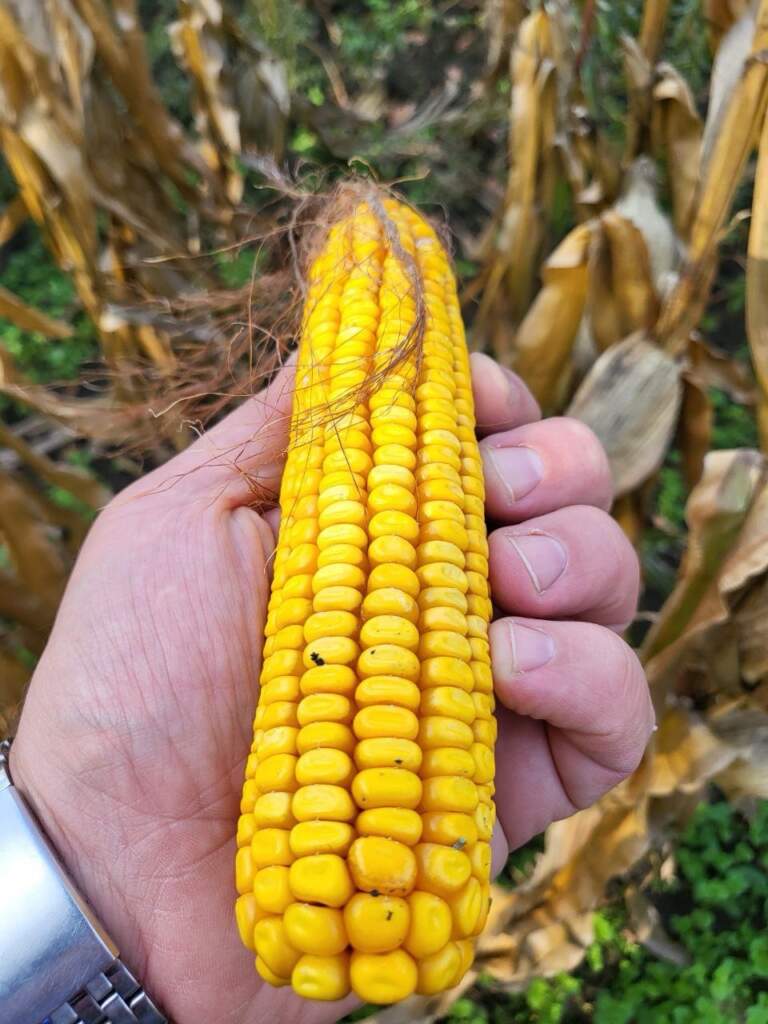
Case: On plots in the Mogilev-Podolsky district of Vinnytsia region, after the second season of applying GREENODIN GRAY during monoculture corn cultivation, the content of available phosphorus increased by 18–22%, and the soil structure improved so much that the surface crust after rains stopped. Microbial complexes stabilized the soil structure naturally – without synthetic loosening agents.
Reality: Organic isn’t about increasing vitamins. It’s about reducing toxic load.
Case: On organically grown carrots in Cherkasy region in 2024, after 3 seasons of using GREENODIN GRAY, dry matter indicators increased by 8–12%, gaining natural sweetness, increasing its organoleptic properties. This is a direct consequence of restoring the microbial balance of the soil and removing chronic “chemical stress”. These findings are also confirmed by the laboratory conclusion: the result of restoring the microbial balance of the soil and removing chronic “chemical stress”.
Reality: Organic technologies have long been scaled to the level of hundreds and thousands of hectares.
The main thing is not the size of the field, but the process management model. That is why GREENODIN is actively used:
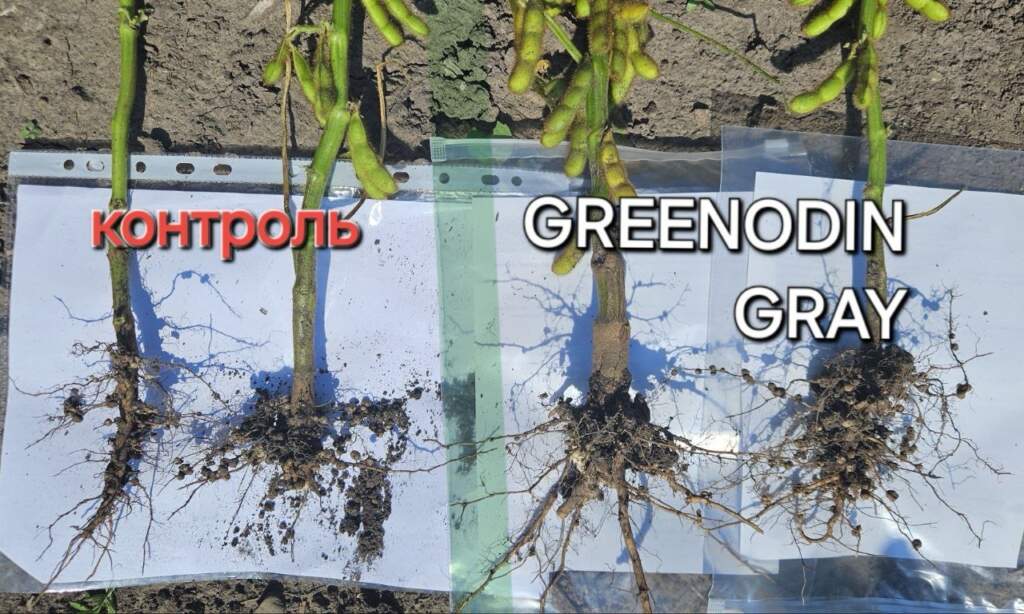
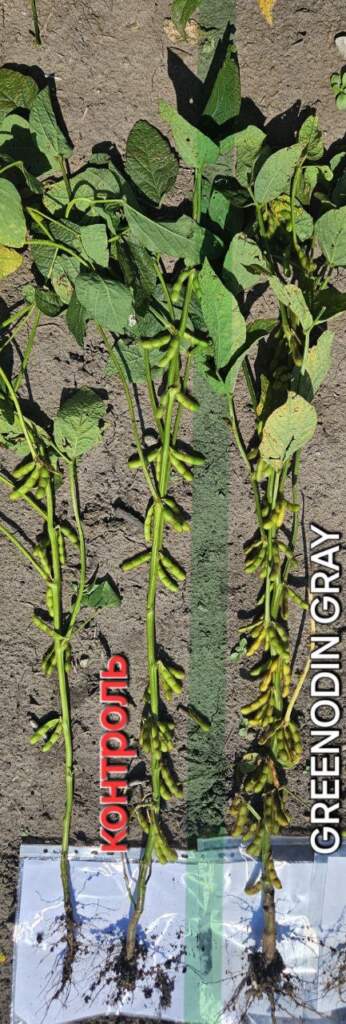
Case: On a 120-hectare soybean field in the Mogilev-Podolsky district of the Vinnytsia region, after using the GREENODIN GRAY biological product, the prevalence of root rot decreased from 18% to 4%, against the background of a 15% increase in yield. And on a 20-hectare soybean field in the Sambirsky district of the Lviv region, the use of GREENODIN GRAY led to a 20% increase in yield against the background of high quality indicators compared to synthetics and control. This is not microfarming – this is conventionally large-scale production, where organics work systematically.
Reality: That was once the case. But modern regenerative technologies are making organics economically viable.
GREENODIN works on the principle of accumulation:
Case: A farm in Mykolaiv region, after switching to GREENODIN BROWN, reduced NPK costs by 50% immediately, without loss of yield, against the background of 100% NPK. This became possible because the soil itself began to retain and slowly release nutrients thanks to natural sorption and bacterial recovery, accumulating humus.
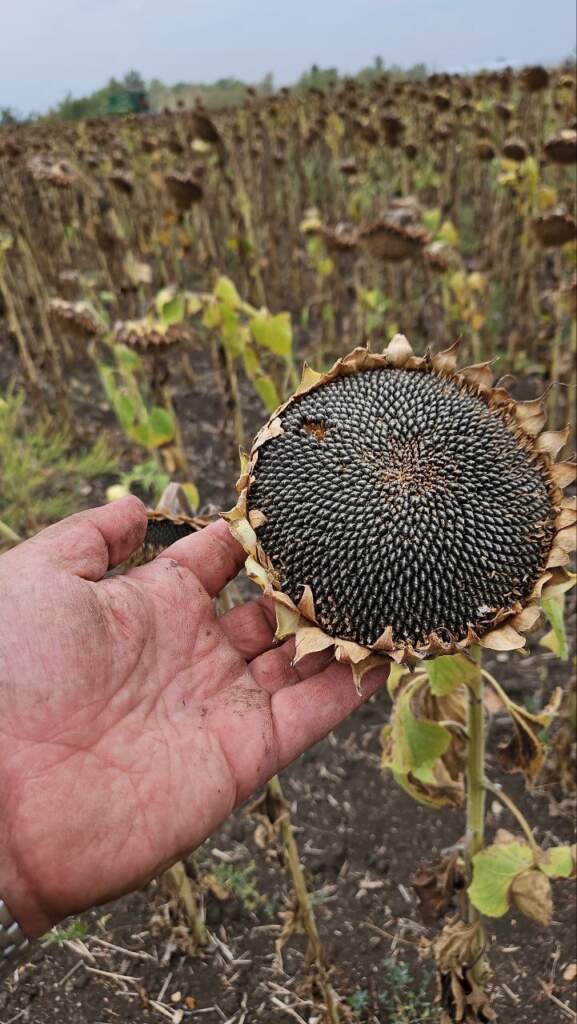
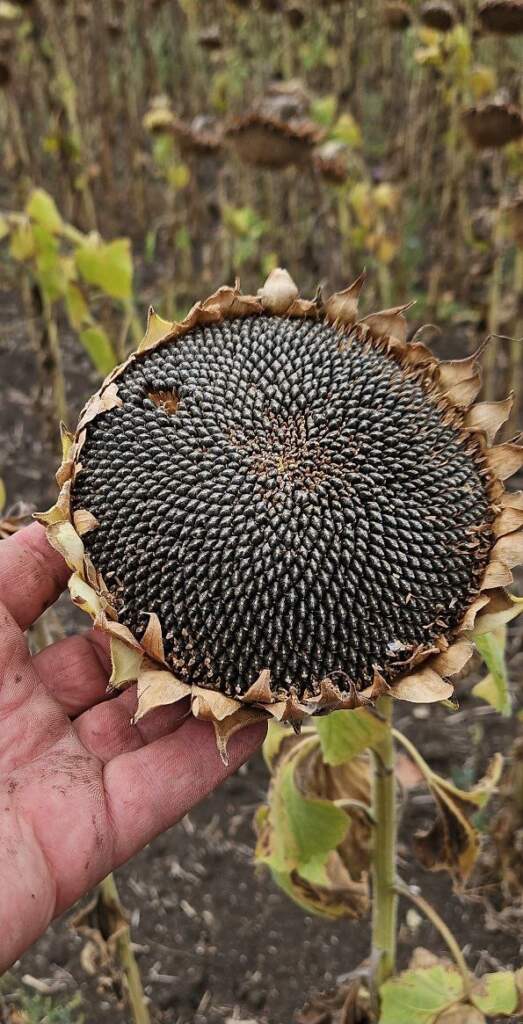
It’s not expensive anymore — it’s strategically beneficial
Reality: Organic technologies are the foundation of climate-resilient agricultural systems.
GREENODIN has proven its effectiveness in practice, because:
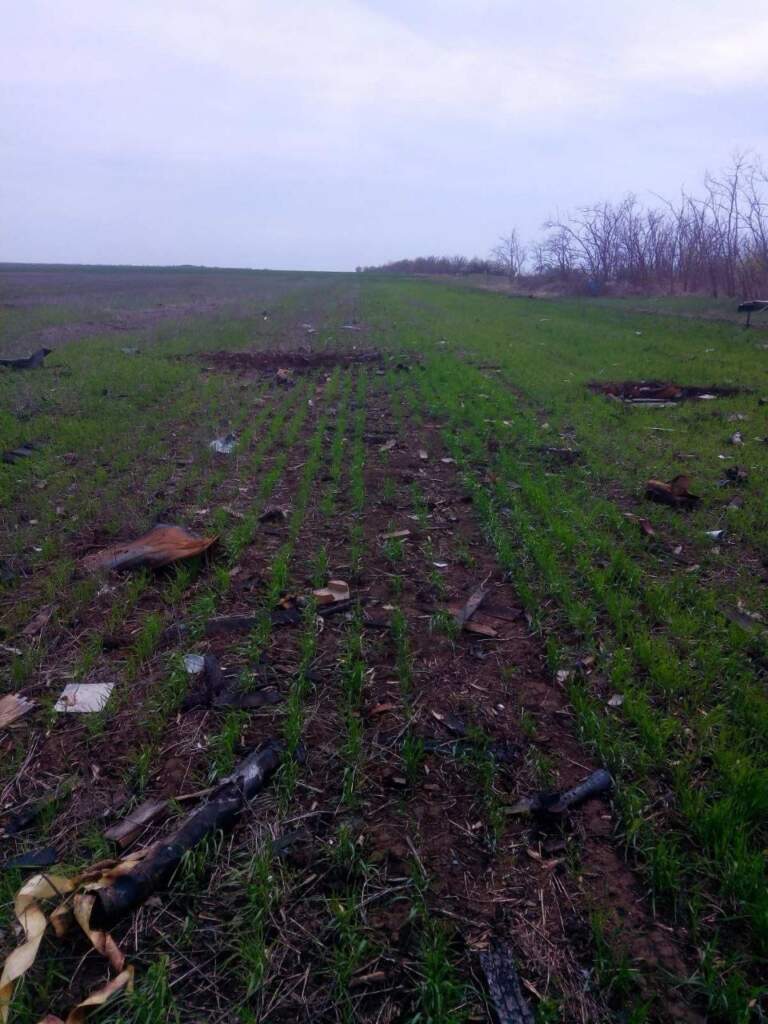
Case: In areas contaminated after military operations by shell explosions, the use of GREENODIN MELIOR resulted in a reduction of mobile forms of heavy metals (Pb, Cu, Zn) by 32–48% in one season. This is not just organics — it is land rehabilitation (recultivation).
Organic is not a fad. It is the new engineering of life.
Once you remove the marketing fluff, the essence remains:
Organic and regenerative technologies are a way to return soil to its natural function and be truly alive.
GREENODIN is not just a “fertilizer”. And that is why it is considered a complex one. In essence, it is the launch of natural renewal mechanisms that accumulate with each season.
The AVELIFE Institute creates technologies that work not on the principle of “adding more”, but on the principle of “activating the system”. And this is no longer about a trend. This is about a new ecological economy that shapes a safe future.
Greening agro is not a fad, but a reaction to the fact that excess nutrients are becoming a source of soil and water pollution, and biodiversity loss.

Digestate with biochar and glauconite is an innovative organo-mineral composite for reducing nutrient losses, prolonged plant nutrition, and increasing soil fertility.

Soil degradation and water pollution are increasingly merging into a combined environmental crisis, especially in arid and post-industrial regions.


