


Sunflower losses are a symptom of chemistry, not “just white rot”
Greening agro is not a fad, but a reaction to the fact that excess nutrients are becoming a source of soil and water pollution, and biodiversity loss.


Classical agriculture is used to working like a factory: sow – harvest – fertilize – repeat.
But such a system depletes the soil, makes it dead, reduces its humus content, and ultimately makes us pay for short-term productivity with ecosystem degradation.
Regenerative agriculture is changing this approach. It is a set of practices that restore soil fertility, biodiversity, and natural cycles.
His main idea:
The earth is not a resource, but a living organism with which we must cooperate.
All this creates a self-regulating ecosystem, where the land gradually restores its own fertility without excessive human intervention.
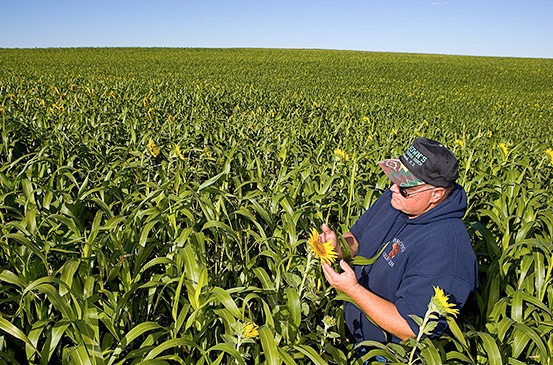
Gabe Brown has become a symbol of the regenerative agriculture movement. His once-depleted farm is now a living soil laboratory.
Results:
This is an example of a farmer not just “preserving nature” but increasing profits by restoring balance.
The French government has launched a global program to increase the organic carbon content of soils by 0.4% each year.
This means that farmers receive a financial benefit for maintaining fertility.
Facts:
The regenerative economy works here literally: whoever restores, earns.
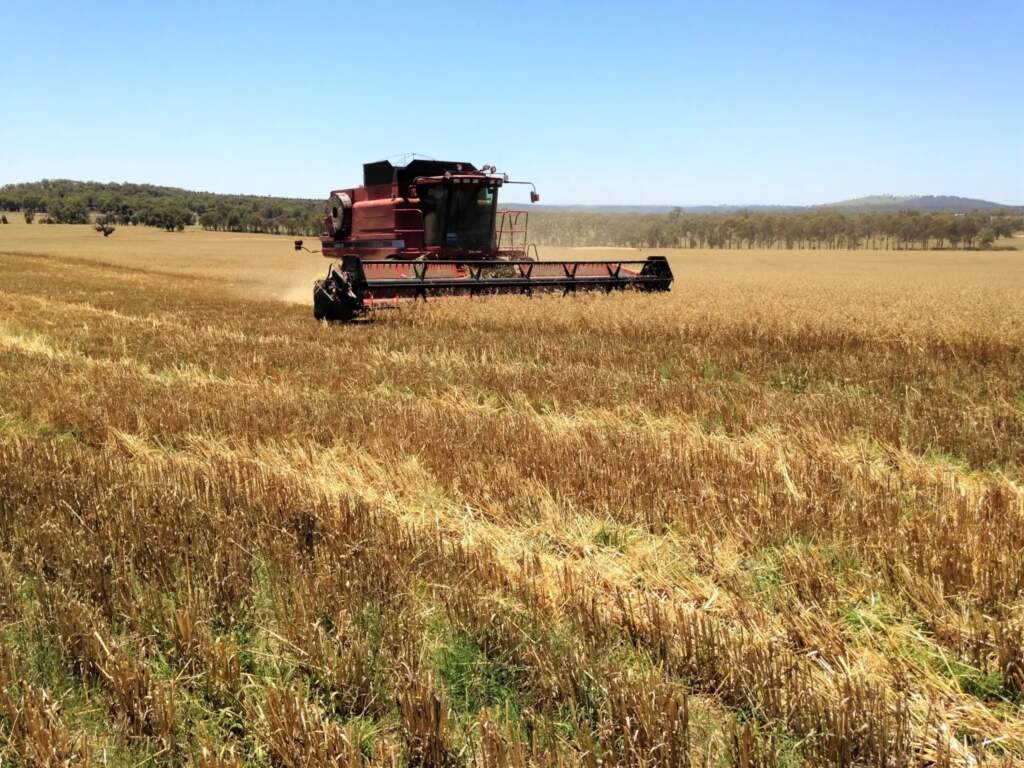
The project supports over 100 farms that have switched to regenerative methods.
At Winona Farm, grass pastures were restored, microbial biomass was tripled, and soil moisture levels increased by 30%.
Australians have proven that even in arid climates, soil can be revitalized without a drop of chemistry.
The company has implemented no-till and cover crop technologies on an area of over 50,000 hectares.
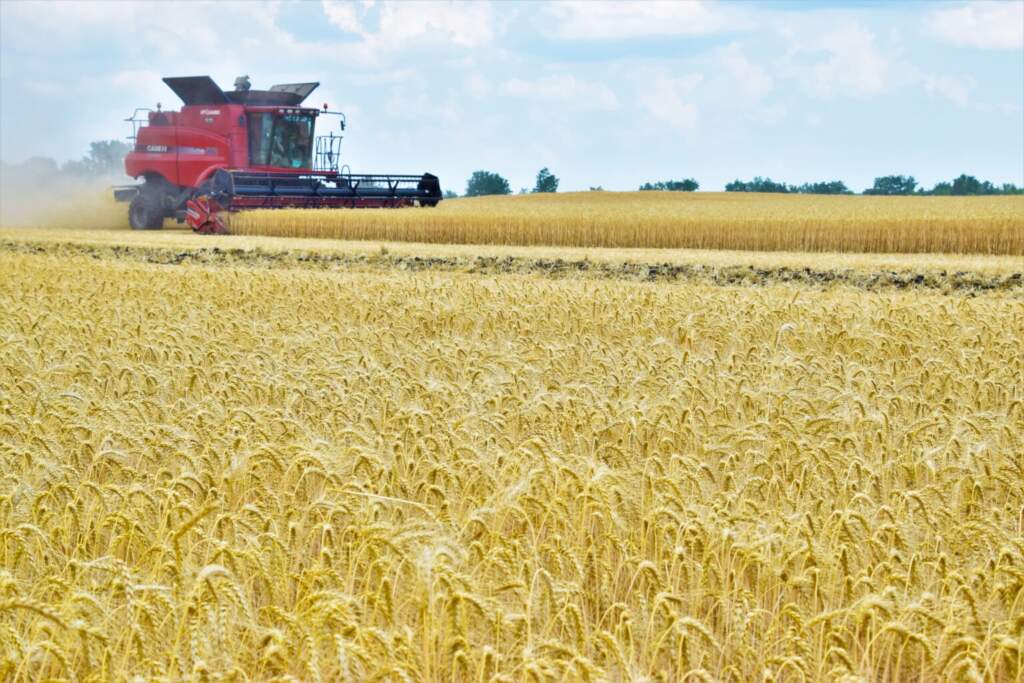
Results:
“We don’t fight nature — we listen to it,” says the chief agronomist.
Farmer Oleksiy Stebluk switched to a regenerative system in 2021 after a series of droughts.
Results after 3 years:
Regenerative agriculture is a way to reduce emissions, restore ecosystems, and maintain food security without losing profits.
Regenerative agriculture is not a fashionable trend, but an evolution of agricultural thinking.
It not only stops soil degradation, but also creates conditions under which nature begins to work for us again.
When soil breathes, produces, and is full of life, it’s no miracle. It’s the result of a systematic approach, trust in natural processes, and the understanding that cooperating with nature is more beneficial than fighting it.
Greening agro is not a fad, but a reaction to the fact that excess nutrients are becoming a source of soil and water pollution, and biodiversity loss.

Digestate with biochar and glauconite is an innovative organo-mineral composite for reducing nutrient losses, prolonged plant nutrition, and increasing soil fertility.

Soil degradation and water pollution are increasingly merging into a combined environmental crisis, especially in arid and post-industrial regions.


