


Introducing “microbiome + silicon”
A practical approach to implementing solutions at the interface of soil microbiome and silicon: diagnostics, field validation, common mistakes, and limits of expectations.


The interaction between the soil microbiome and silicon is considered one of the promising areas in modern agronomy and soil biology. Interest in this topic is related to the search for approaches to increase the resilience of agroecosystems, optimize plant nutrition, and reduce the impact of stress factors.
At the same time, modern research shows that these processes are complex, multifactorial, and context-dependent, which excludes the possibility of universal solutions.
The soil microbiome is a complex community of bacteria, fungi, archaea, and other microorganisms that shape the functionality of the rhizosphere. It is in this zone that intensive interaction between the plant and microorganisms occurs through root exudates and physicochemical environmental factors.
Microbial communities play a key role in:
The composition of the microbiome is determined by both biotic and abiotic factors, including soil type, crop, and agricultural practices.
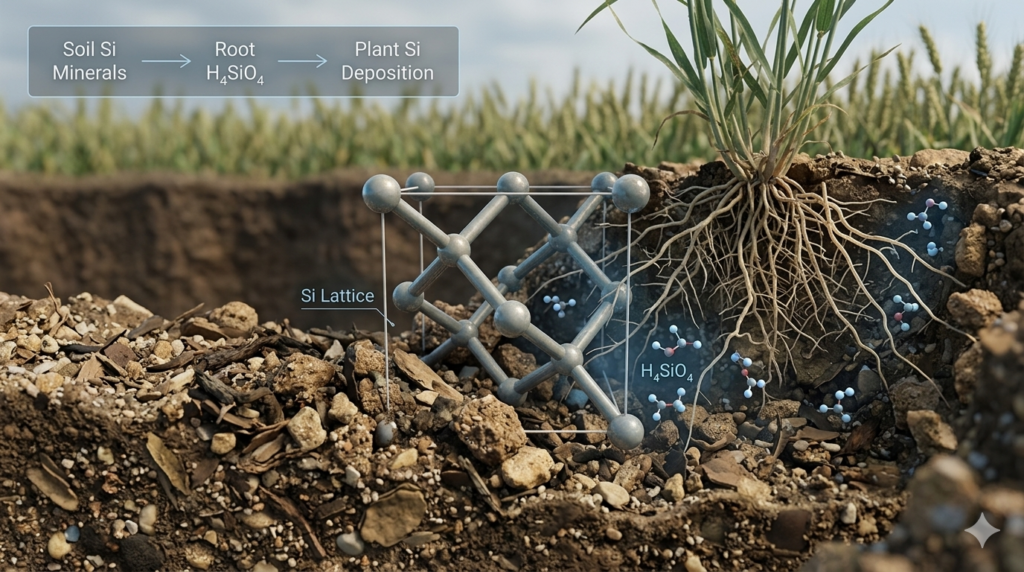
Silicon is not included in the list of essential nutrients, but numerous studies demonstrate its positive effect on plant resistance to abiotic and biotic stresses.
In particular, silicon can:
Its action is often realized through modification of plant physiology and interaction with the soil environment, rather than through a direct “stimulatory effect.”

Modern research confirms that silicon can affect the soil microbiome indirectly — through changes in rhizosphere processes, root exudates, and nutrient availability.
For example:
— silicon application can change the availability of elements in the rhizosphere and promote plant growth
— changes are observed in the structure of microbial communities and their functional activity
— possible increase in microbiome biodiversity and enzyme activity under stressful conditions
However, these effects depend largely on the conditions:
Thus, it is scientifically more correct to consider this interaction as part of a complex “soil–plant–microorganism” system, rather than as a direct cause-and-effect mechanism.
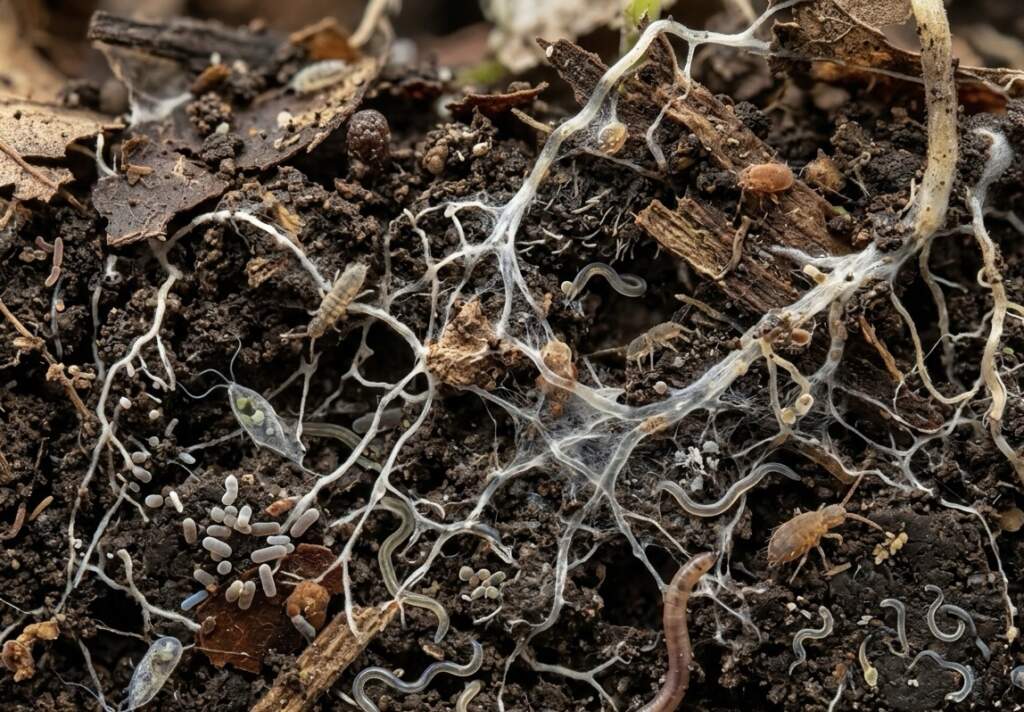
Integrating approaches that take into account the soil microbiome and silicon nutrition can contribute to increasing the sustainability of agrosystems, in particular through:
— improving the availability of nutrients
— increased resistance to stress
— optimization of rhizosphere processes
However, review studies highlight that:
— the mechanisms of interaction have not yet been fully understood
— results may vary significantly
— long-term field experiments are needed
Silicon is seen as a promising tool, but not as a universal solution.
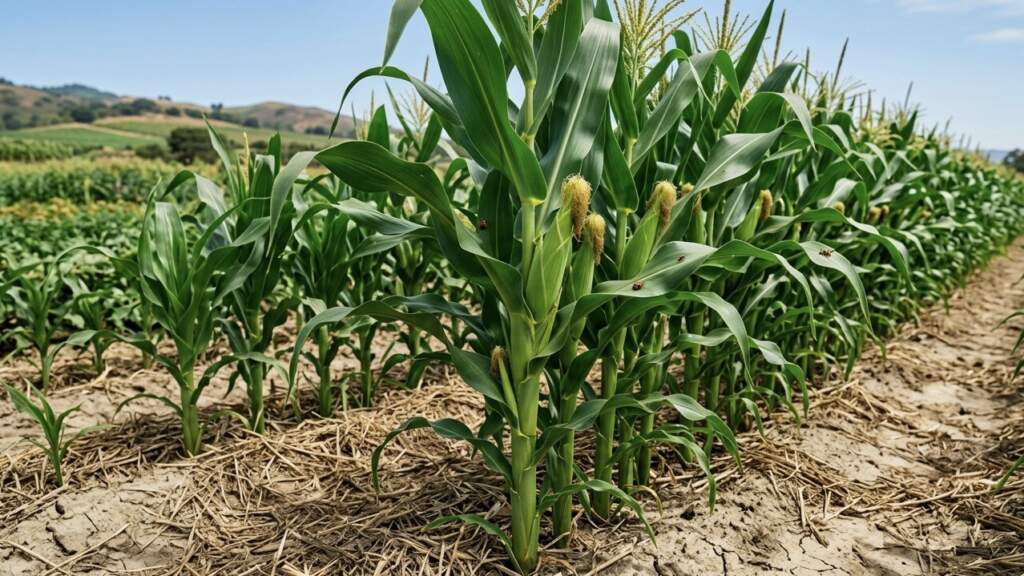
The soil microbiome and silicon form an important research area in the context of sustainable agriculture. Their interaction is based on indirect mechanisms and depends on a large number of factors.
A systems approach that includes analysis of soil, plants, and microbial processes allows for a more accurate assessment of the potential of such solutions and avoids simplistic interpretations.
A practical approach to implementing solutions at the interface of soil microbiome and silicon: diagnostics, field validation, common mistakes, and limits of expectations.

Learn how silicon and the soil microbiome interact to create a stable system for organic farming.

What are magnesian-organomineral materials, what is their potential for road construction, and why it is not worth promising “minus CO₂” without LCA.


