


Magnesium-organomineral materials: potential for roads
What are magnesian-organomineral materials, what is their potential for road construction, and why it is not worth promising “minus CO₂” without LCA.


In 2025, the municipal enterprise “Pleso” launched a systemic eco-program for biological improvement of lakes in the capital. The key tools were the granular bioactivator AVELIFE and a suspension of chlorella microalgae – a combination that first prepares the reservoir and then removes the main cause of water “blooming”: an excess of nutrients and an explosion of cyanobacteria growth. KP “Pleso” publicly reported on such work on lakes Zhandarka and Vira in the summer of 2025.
AVELIFE is a bioactivator and sorbent made from natural materials (mineral base, biochar, amorphous silicon), biosurfactant and beneficial microflora (Rhodococcus erythropolis, Pseudomonas sp. PS-17). It stabilizes the biological balance of water, reduces organic load and helps avoid toxic effects of “blooming” (microcystins), while working in a wide range of pH and temperatures.
The technical recommendations for the drug describe this very “biobalancing” role: improving aeration, reducing organic pollution, reducing the risk of cyanobacterial toxins. This is ideally suited to the tasks of urban lakes.
On Lake Zhandarka, Pleso conducted two treatments with granulated AVELIFE, as officially reported by the company and local media. This prepared the reservoir for the next stage of biopurification.
After preparation, 300 liters of chlorella suspension, a natural tool that absorbs excess nitrogen and phosphorus and suppresses “blooming,” were added to the reservoir. Official announcements, videos, and reports were published about these works (in particular, the Facebook video “Pleso” and stories in the city media).

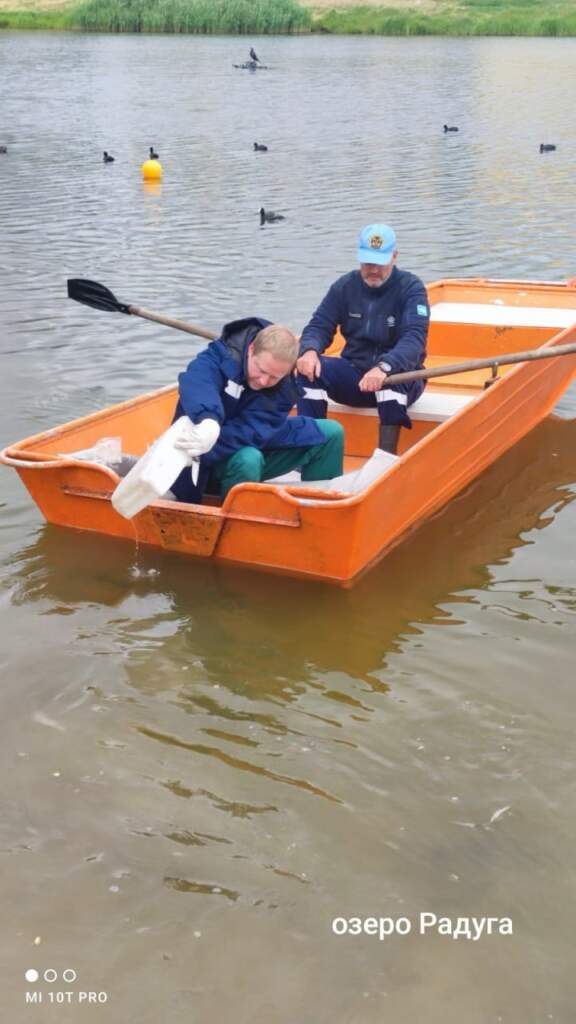
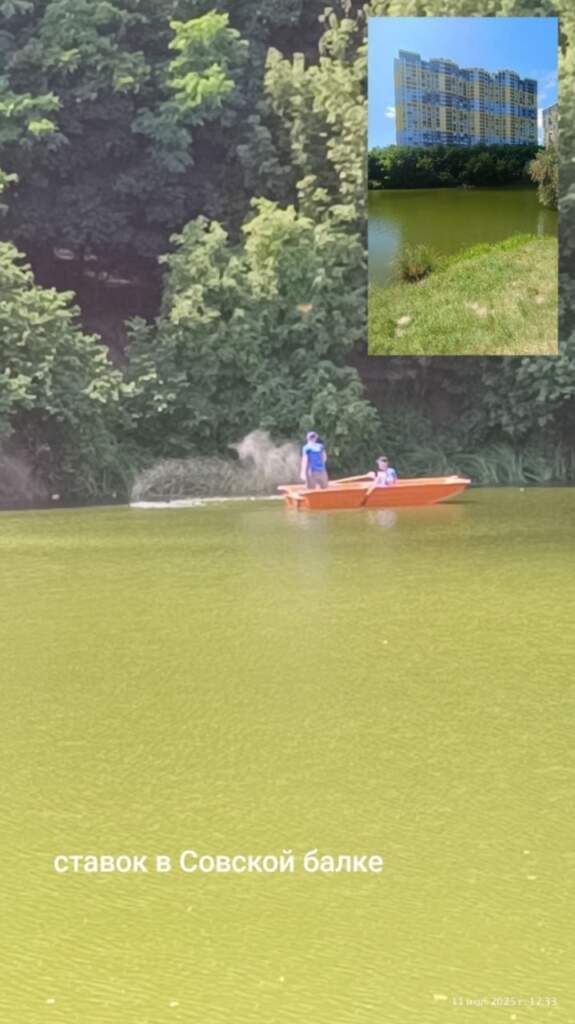
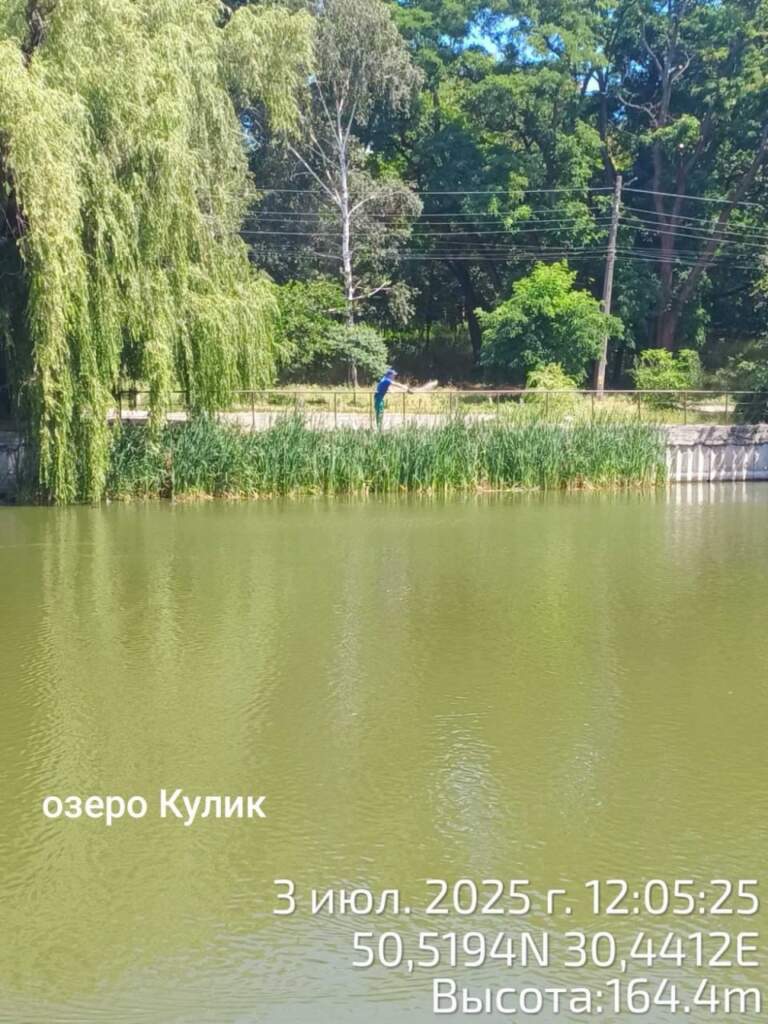
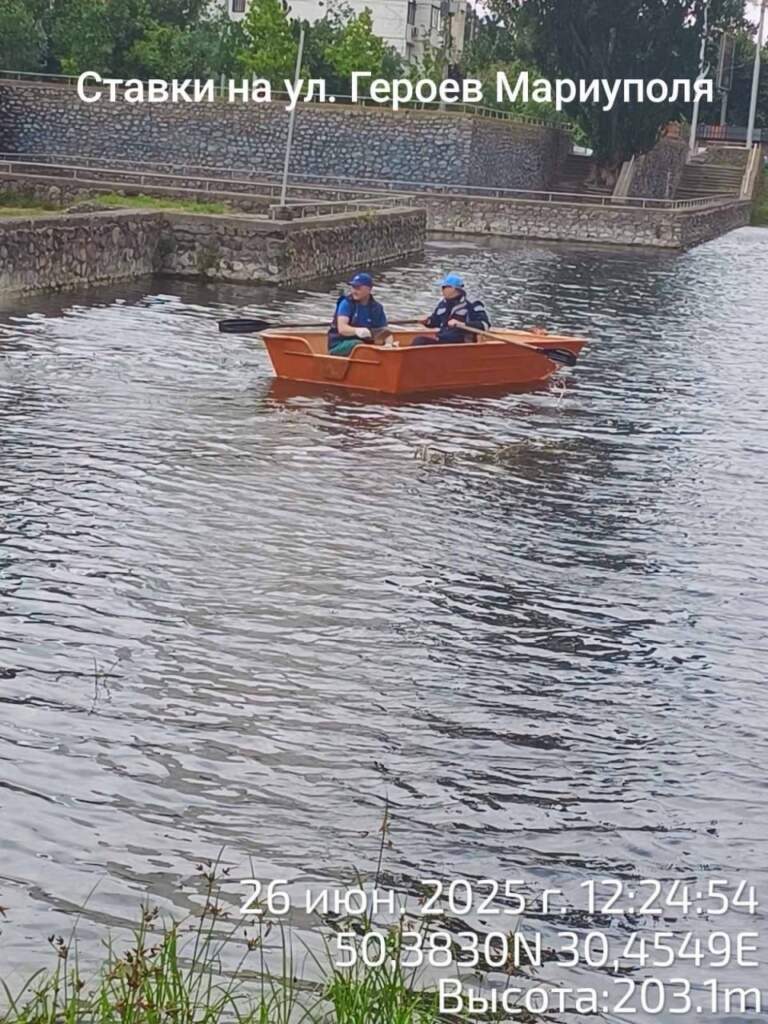
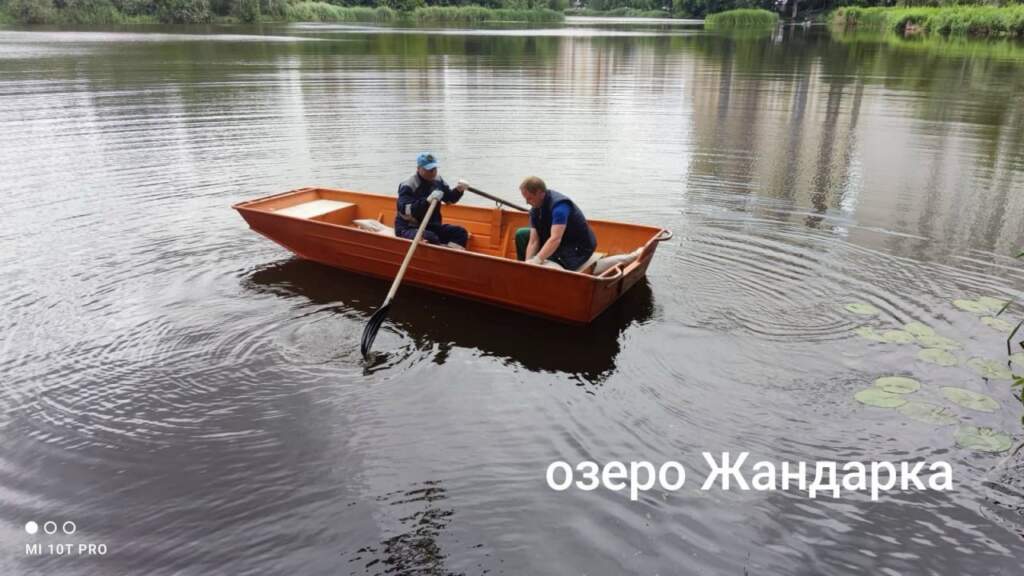
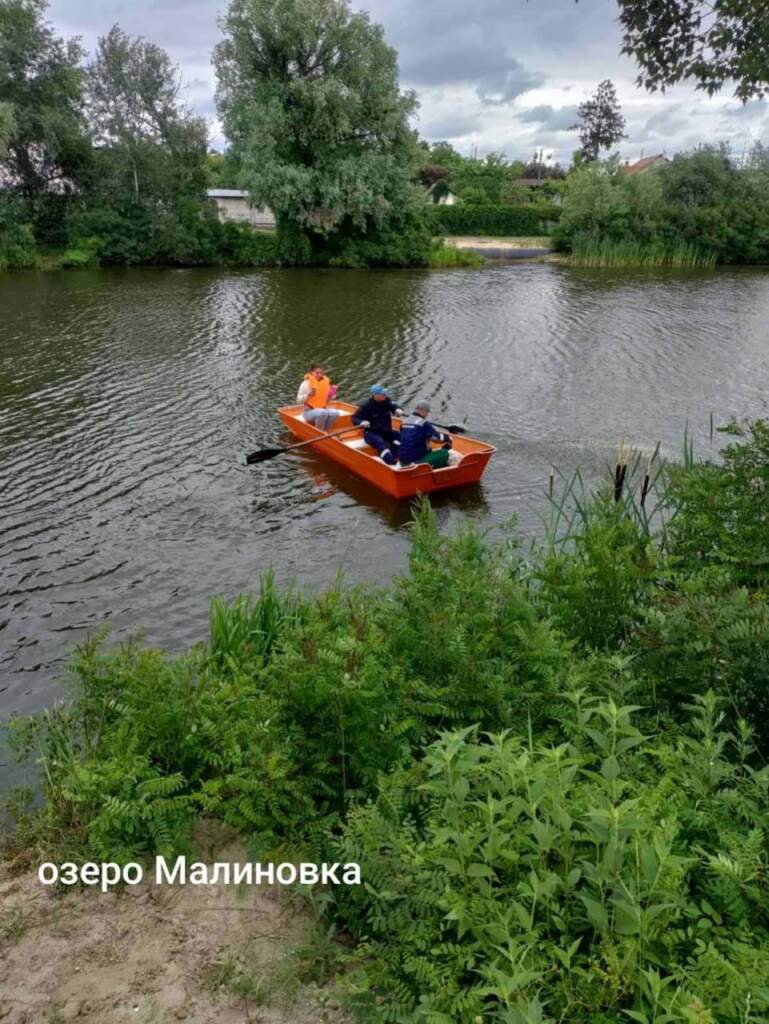
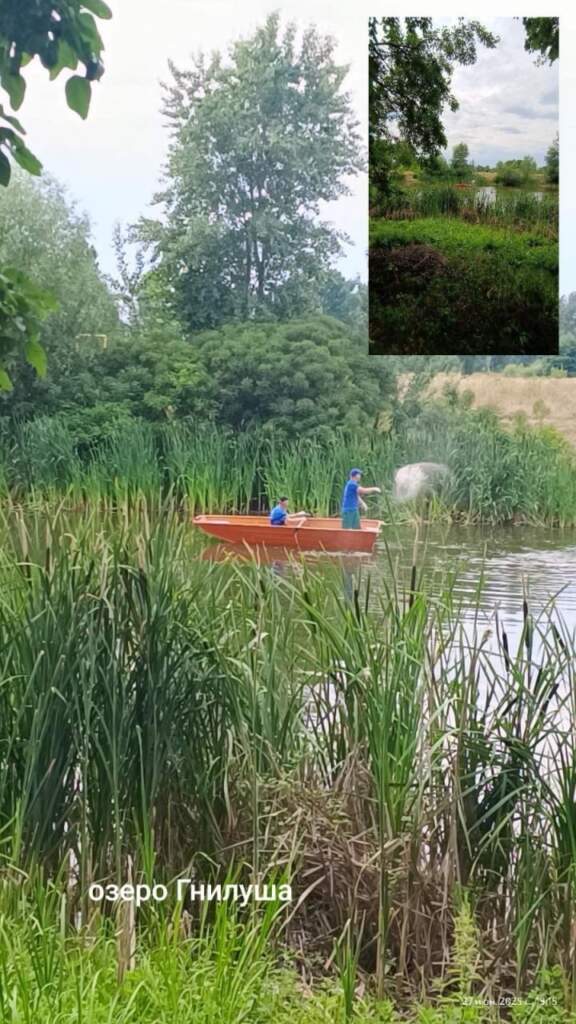

City reviews and technology commentary document that a three-step scheme (mechanical + biological + AVELIFE and chlorella biopreparations) approximately halve the number of cyanobacteria during the peak “bloom” season, while improving the ecosystem of the reservoir. This is consistent with the action of AVELIFE described in the recommendations: reducing organic load and reducing the risk of toxic metabolites of blue-green algae.
Recommendations for AVELIFE confirm:
KP “Pleso” regularly publishes videos and reports on the treatment of lakes (in particular, footage from Lake Vira). Official websites and Kyiv media confirm the phasing and scale of the work on Zhandarka and other bodies of water.
Kyiv 2025 showed a working manual for cities: AVELIFE + chlorella is a “soft” biotechnological response to the summer “bloom” and organic overload of water bodies. First, preparation with AVELIFE, then targeted application of chlorella, and the result is fewer cyanobacteria, cleaner water, and a more stable ecosystem. This is not magic, but consistent ecological engineering, supported by the technical recommendations of the drug and confirmed by city practice.
What are magnesian-organomineral materials, what is their potential for road construction, and why it is not worth promising “minus CO₂” without LCA.

The role of telomeres, telomerase, and gene therapy in controlling cellular aging. A simple explanation of complex biological processes.

How the gene therapy market works, why it is growing, what is holding it back, and why it is one of the most complex segments of modern biopharma


