


Thermal depolymerization (TDP)
How thermal depolymerization (TDP) works and how it differs from pyrolysis. Processing of organic waste, sludge and plastic into oil and gas. ERVO modular plants for autonomous communities and agroclusters of Ukraine.


The seedling period is a “window” when the plant literally builds itself: the root system, conductive tissues, stem strength, the ability to maintain turgor and survive the stress of transplantation. And this is where the most common mistake of the intensive approach is to overfeed with salts, get a quick “shoot” into the greens, but a thin stem + weak root + stress after picking.
GRAY is positioned as a different type of solution: not to “push at any cost”, but to stabilize the growth environment, provide structural elements (especially active silicon, Ca, Mg) and biostimulants (humic acids, fulvic acids, L-amino acids), and also support a healthy microbiome at the root.
Below are mechanisms that can be tied to scientific data and simple measurements in seedlings.
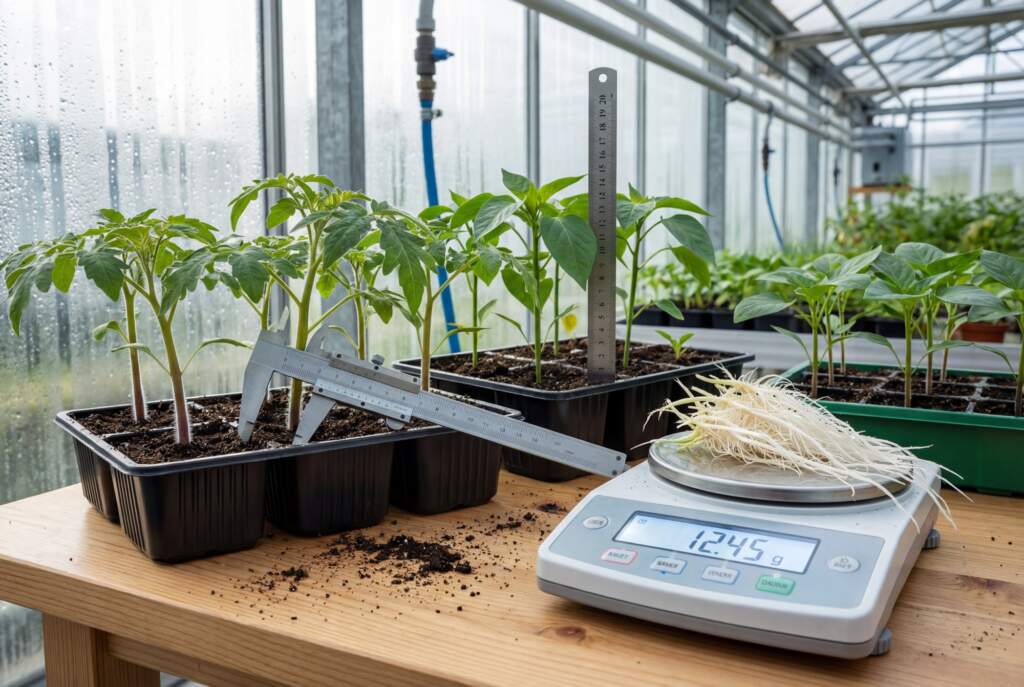
In the scientific literature, silicon is described as a factor that enhances the mechanical resistance and “framework” of plants through interaction with cell wall components (cellulose, hemicelluloses, pectins, lignin). This is directly related to the fact that seedlings “fall” less, keep their shape better and more easily withstand microstresses (drying/overflow/temperature changes). ([PMC][1])
Separately, there is work on tomato seedlings/plants, where silicon application is associated with a reduction in oxidative stress (reduction in markers of damage and reactive oxygen species) under various stress factors — and this is exactly what “shoots” after a dive or cold watering. ([ScienceDirect][2])
For seedlings (especially peppers/eggplants), stability is important, not “acceleration.” Calcium affects the quality of cell walls and the stability of young tissues, magnesium is a central element of chlorophyll and photosynthesis. Therefore, the GRAY “framework + stability” approach logically corresponds to the task of seedlings.
For seedling systems, there are practical studies where humic substances added to the substrate improved root morphology and biomass accumulation in vegetable seedlings. ([Acta Horticulturae][3])
Some work on tomato seedlings also investigates root stimulation with humic substances. ([ResearchGate][4])
And for pepper, there is a suggestive line of evidence for humic biostimulants in the context of pre- and post-transplant applications (i.e., exactly what we are interested in in seedlings as “transplant anti-stress”). ([ScienceDirect][5])
Amino acids (particularly in biostimulants/hydrolysates) are considered in modern reviews as a tool for supporting growth processes and stress tolerance. ([PMC][6])
And for pepper, there is a suggestive line of evidence for humic biostimulants in the context of pre- and post-transplant applications (i.e., exactly what we are interested in in seedlings as “transplant anti-stress”). ([ScienceDirect][5])
The key point in the evidence base for PGPR (plant growth-promoting rhizobacteria) is that these microorganisms colonize the root and can enhance growth and resistance through several mechanisms (improved nutrition, synthesis of growth regulators, competition with pathogens, etc.). ([PMC][8])
Separate reviews on “plant growth-promoting microbes” highlight their contribution to stress tolerance and disease control in sustainable agriculture. ([MDPI][9])
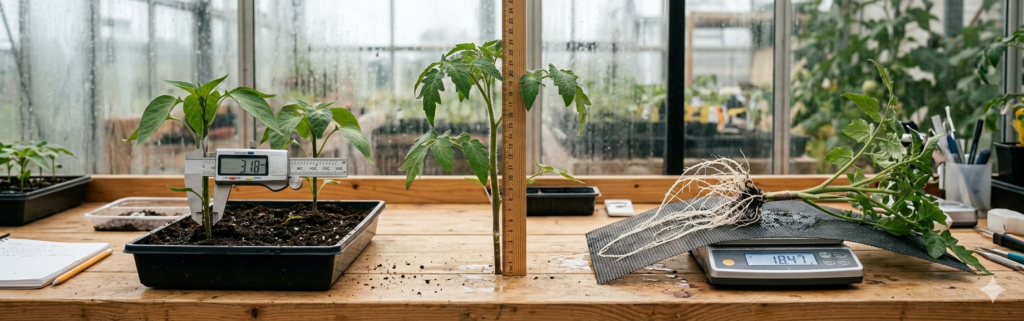
To make this look like a proof page on avelife.pro, we rely not on “impressions,” but on simple metrics:
It is these parameters that best “catch” those mechanisms that are confirmed by the literature:
—
A seedling cup is a mini-ecosystem where there is a daily exchange:
Scientifically, this fits the general logic of PGPR/PGPM: early root colonization and the activation of beneficial mechanisms in the rhizosphere give a better start and resilience. ([PMC][8])
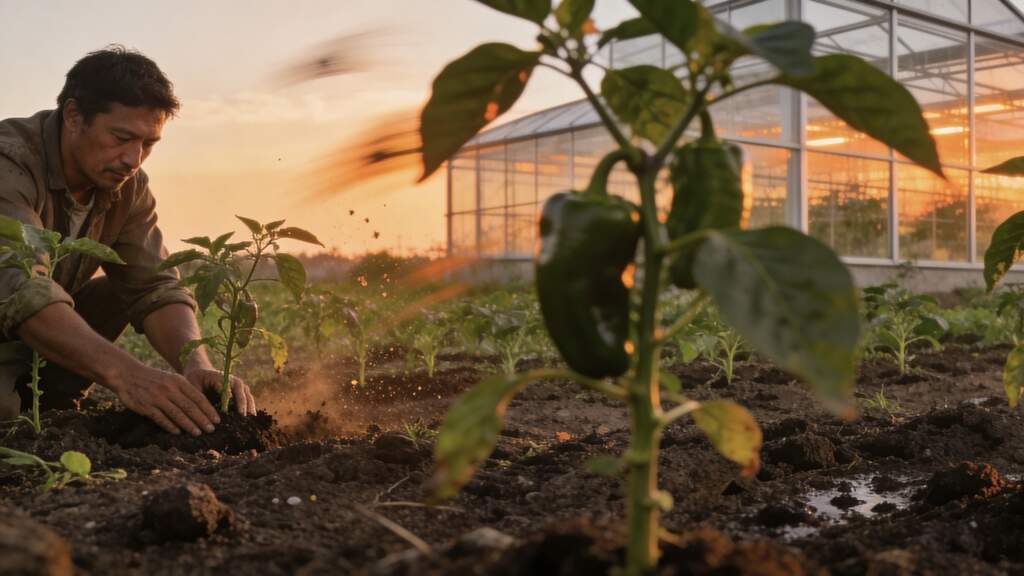
Why: a uniform start + root architecture without “overfeeding”.
How: mix with substrate before filling cassettes/cups, moisten, sow/plant.
Why: “anti-stress” and faster root recovery.
How to: put it in the hole, sprinkle it with a layer of substrate so that there is no direct contact of the granules with the tender root, plant it and water it.
Why: support during the period of active growth, when stable moisture and gentle nutrition are important.
How: light sprinkling on the surface + watering with water.
> Exact norms should be given correctly on the label/packaging, as they may vary depending on the fraction, substrate, and container volume.
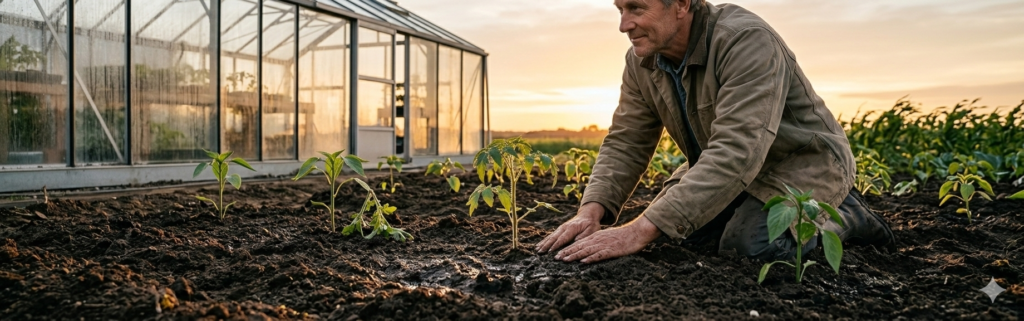
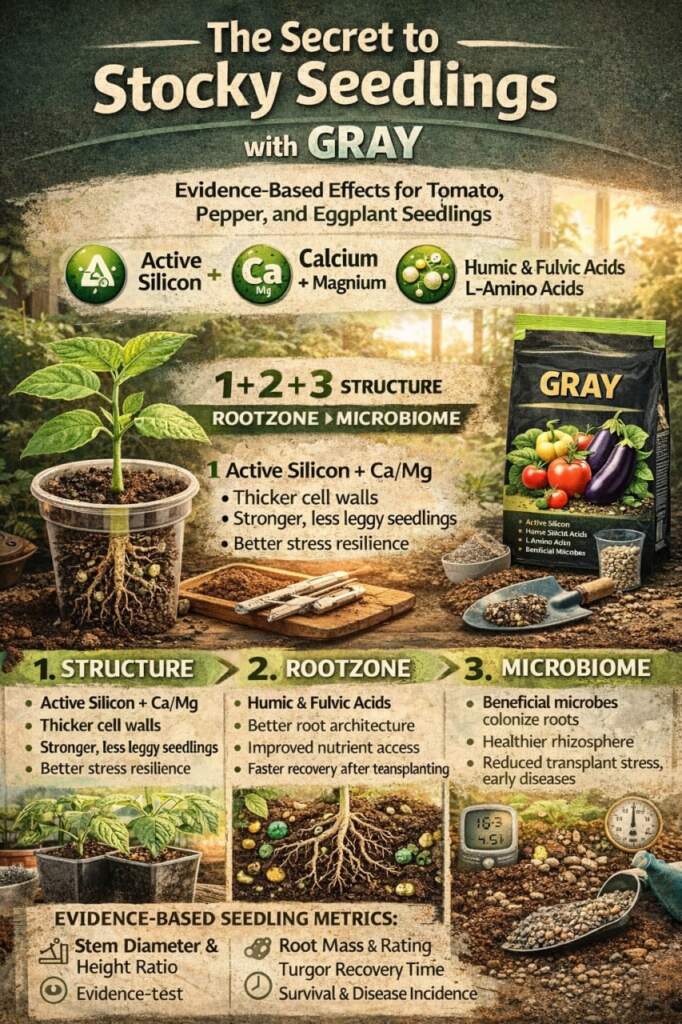
GRAY enhances seedling vigor through three interconnected contours:
The result formula, which can be verified by measurements:
less pulling + thicker stem + stronger root + faster recovery after transplanting.
And so, a healthy microbiome around the root is one of the reasons why seedlings become more resistant to stress and starting problems. ([PMC][8])
How thermal depolymerization (TDP) works and how it differs from pyrolysis. Processing of organic waste, sludge and plastic into oil and gas. ERVO modular plants for autonomous communities and agroclusters of Ukraine.

How to get quality seedlings: the role of active silicon, humic acids and the microbiome. Scientific substantiation of the effect of GRAY biostimulants on the stockiness, stress resistance and survival of tomatoes, peppers and eggplants.

Glauconite is a natural potassium-containing iron silicate (layered silicate/phyllosilicate) that may contain not only K and Fe, but also Al and other impurities in the crystal lattice.


