


Returning life to the desert
Ecological breakthrough in combating desertification: artificial cultivation of biological crusts (biocrusts) in the deserts of the PRC. Accelerated bioremediation technology from AVELife.


January 2025 brought several important events in the world of ecology that highlight the growing attention to environmental protection and sustainable development.
India has announced new measures to protect wildlife sanctuaries. The government plans to increase the area of protected areas by 10% to ensure the continued existence of rare animal and plant species.
Reforestation programs continue in Europe. In Germany, more than 1 million new trees have been planted, which will help reduce CO2 emissions and improve air quality.
Tesla has unveiled a new project using solar energy to store CO2 underground. The project aims to reduce its environmental impact and support sustainable agriculture.
A new initiative to protect coral reefs has been launched in Australia. The program will use new technologies to purify water and reduce pollution, helping to preserve this important ecosystem.
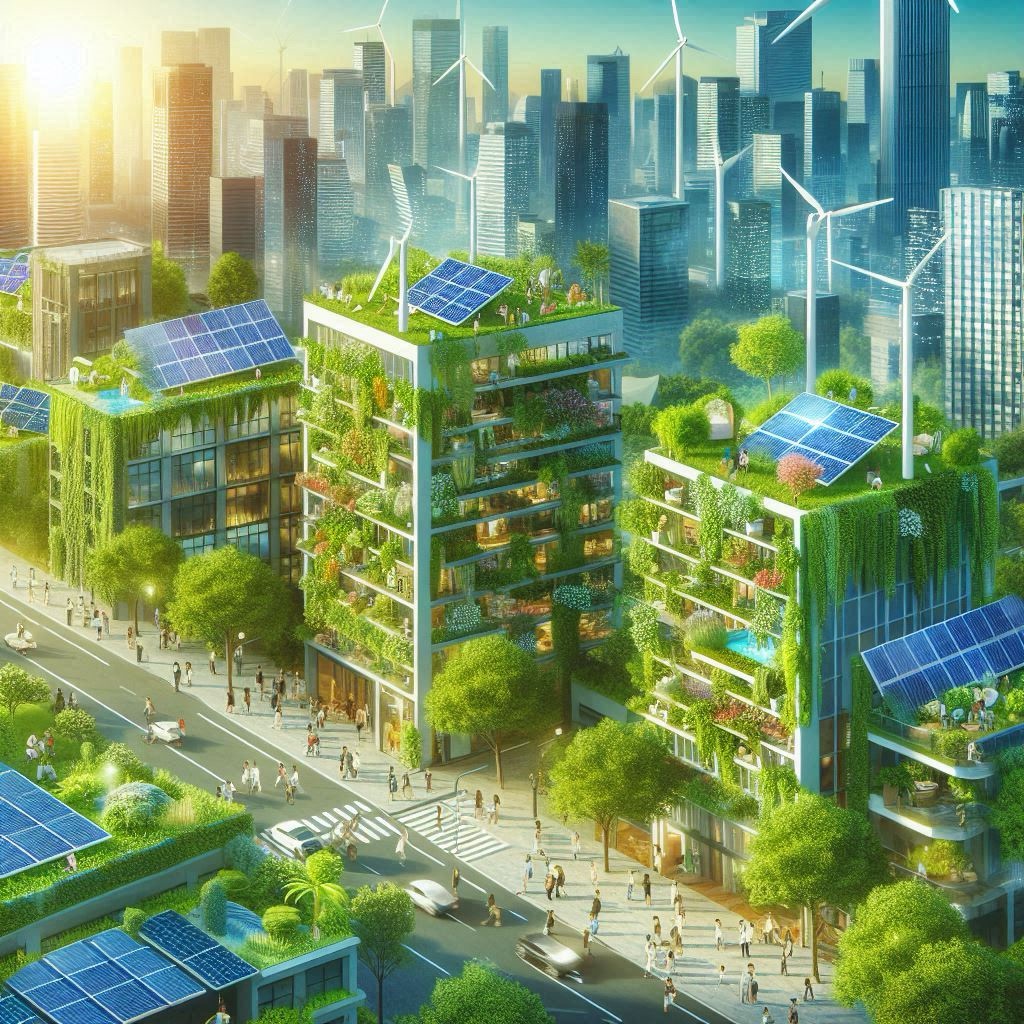
In Spain, the city of Madrid has launched a new initiative to create green neighborhoods. The project will create new parks, squares and green spaces for residents to relax, improving the quality of life in the city.
Ecological breakthrough in combating desertification: artificial cultivation of biological crusts (biocrusts) in the deserts of the PRC. Accelerated bioremediation technology from AVELife.

Research on the transfer of space technology of the PRC (Chang’e mission) to combat land degradation. How continuous basalt fiber (CBF) fixes the Gobi and Takla Makan deserts.

Analysis of China’s large-scale eco-engineering program. Basalt fibers, artificial biocrust, and agrovoltaics in the fight against the Gobi and Takla Makan deserts by AVELife.