


Returning life to the desert
Ecological breakthrough in combating desertification: artificial cultivation of biological crusts (biocrusts) in the deserts of the PRC. Accelerated bioremediation technology from AVELife.


The gut is often called the “second brain,” and for good reason. The gut microbiome plays a key role in our health, influencing immunity, mood, digestion, and even weight. In this article, we’ll look at what the microbiome is, how it works, and provide tips for maintaining a healthy gut.
The microbiome is the collection of millions of microorganisms that live in our intestines. They help digest food, synthesize vitamins, and support the immune system.
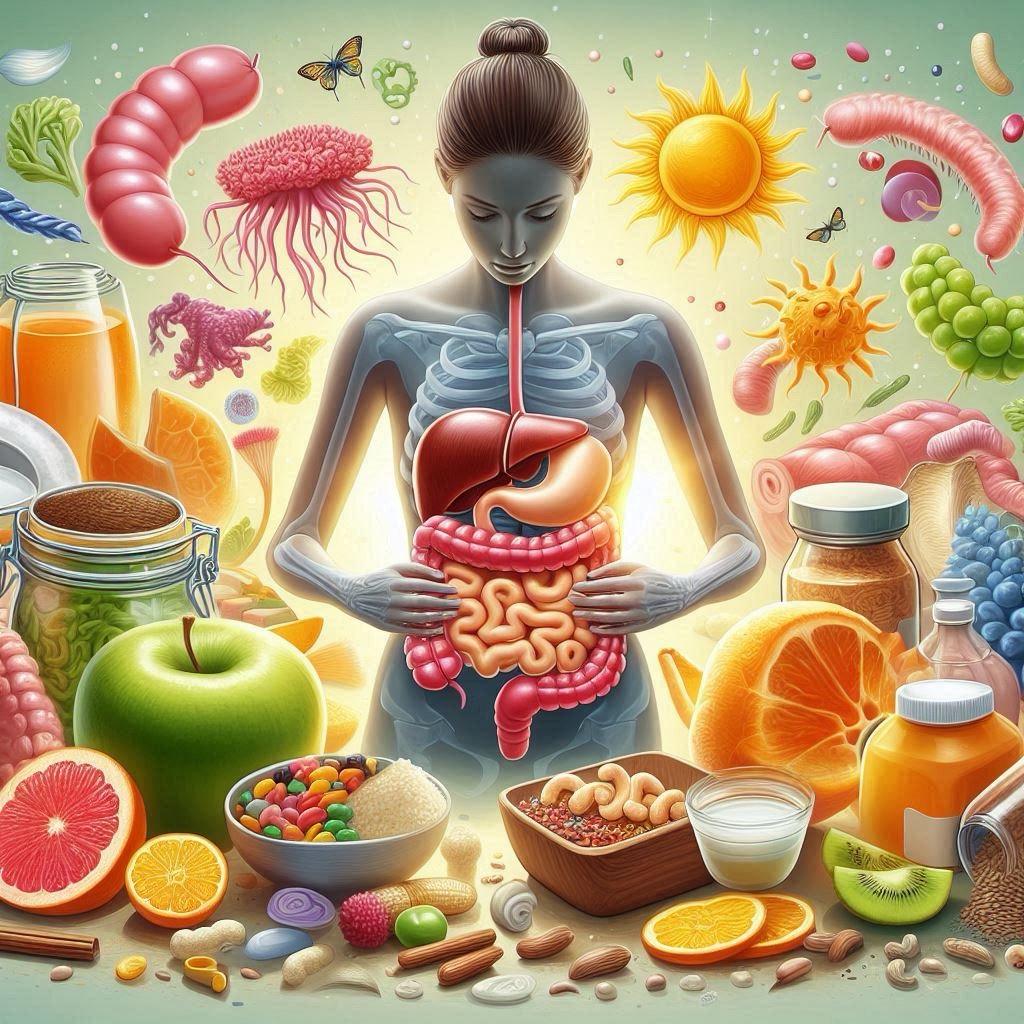
1. Eat **probiotics**: yogurt, kefir, kimchi, sauerkraut.
2. Add **prebiotics**: chicory, garlic, onions, bananas.
3. Avoid antibiotics unnecessarily.
4. Drink enough water and eat plenty of fiber.
The microbiome has evolved with humanity over millennia. Our ancestors ate a lot of plant-based foods, which are rich in prebiotics, which helped to develop a diverse microbiome. Modern lifestyles, including the consumption of processed foods and antibiotics, can negatively impact our microbiome.
Research shows that microbiome imbalances are linked to a number of chronic diseases, such as:
1. The microbiome weighs approximately 2-3 kg: This is the approximate weight of all the microorganisms living in our intestines.
2. Microbiome genes: There are more genes in our microbiome than in our entire body. These genes influence various aspects of our health.
3. Uniqueness of the microbiome: Each person has a unique microbiome, similar to fingerprints.
4. Microbiome and the brain: There is a close connection between the gut and the brain, known as the “gut-brain axis.” The microbiome influences the production of neurotransmitters, such as serotonin, which affect our mood.
1. Eat a variety of foods: Variety in your diet helps maintain a diverse microbiome.
2. Eat more fiber: Eat more vegetables, fruits, and whole grains.
3. Include fermented foods: Yogurt, sauerkraut, kimchi are rich in beneficial bacteria.
4. Limit sugar intake: Excessive sugar consumption can negatively impact the microbiome.
5. Pay attention to gut health: Avoid stress, exercise regularly, and drink enough water.
Gut health is the foundation of overall well-being. By taking care of your microbiome, you can improve your immunity, mood, and energy.
Ecological breakthrough in combating desertification: artificial cultivation of biological crusts (biocrusts) in the deserts of the PRC. Accelerated bioremediation technology from AVELife.

Research on the transfer of space technology of the PRC (Chang’e mission) to combat land degradation. How continuous basalt fiber (CBF) fixes the Gobi and Takla Makan deserts.

Analysis of China’s large-scale eco-engineering program. Basalt fibers, artificial biocrust, and agrovoltaics in the fight against the Gobi and Takla Makan deserts by AVELife.