


Returning life to the desert
Ecological breakthrough in combating desertification: artificial cultivation of biological crusts (biocrusts) in the deserts of the PRC. Accelerated bioremediation technology from AVELife.


The increasing resistance of ESKAPE pathogens (Enterococcus faecium, Staphylococcus aureus, Klebsiella pneumoniae, Acinetobacter baumannii, Pseudomonas aeruginosa, Enterobacter spp.) to carbapenems and colistin requires a review of antimicrobial drug development strategies.
PubMed data indicate a critical decline in the therapeutic feasibility of modifying existing classes of antibiotics. The priority vector for the pharmaceutical sector is the synthesis of cyclic lipopeptides and efflux pump inhibitors.
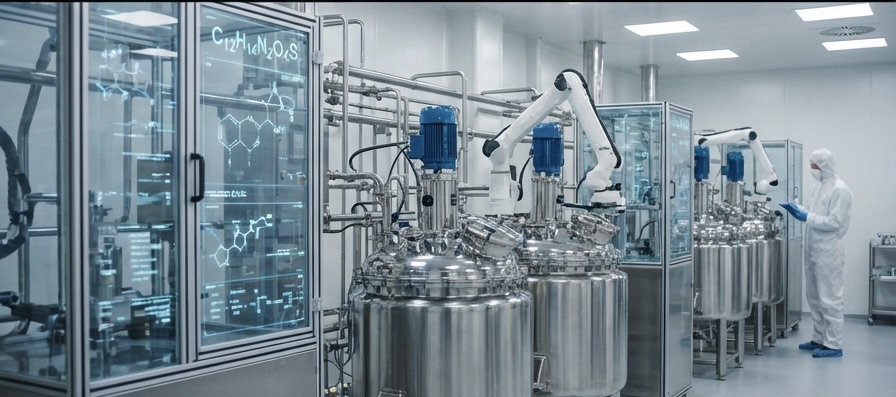
The main barriers to API efficacy are enzymatic inactivation (beta-lactamases) and modification of binding targets. To overcome these mechanisms, molecules with complex spatial configurations are required. The production of such compounds directly depends on the quality of the pharma intermediates.
AVELife specializes in the development of building blocks with fixed stereochemistry, allowing the creation of APIs capable of inhibiting penicillin-binding proteins even in strains with high levels of mutations.
Market entry of new antibacterial agents is limited by the toxicity of microimpurities that arise at the synthesis stage. Anatoly Demchenko’s methodology is based on the use of pre-activated reagents, which radically changes the economics of the process:
The introduction of new generation reagents into the API production chain provides strategic advantages:
Overcoming the superbug resistance crisis is a matter of technological superiority in the purity of synthesis.
AVELife’s highly selective reagents are the foundation for creating the next generation of antibacterial therapy.
Ecological breakthrough in combating desertification: artificial cultivation of biological crusts (biocrusts) in the deserts of the PRC. Accelerated bioremediation technology from AVELife.

Research on the transfer of space technology of the PRC (Chang’e mission) to combat land degradation. How continuous basalt fiber (CBF) fixes the Gobi and Takla Makan deserts.

Analysis of China’s large-scale eco-engineering program. Basalt fibers, artificial biocrust, and agrovoltaics in the fight against the Gobi and Takla Makan deserts by AVELife.